
Herbs, Nutrition, and Proven Ways to Support Your Immune System
Introduction
The flu is but one variety of virus we encounter in our life time.
This is only the beginning. Life often places us in a defensive posture, responding rather than preparing. My hope is to invite a shift toward prevention—toward tending the body and its needs before intervention is required. Perfection isn’t realistic; intention is.
What I understand about viruses, bacteria, fungi, and life in general is this: survival is the priority.
Every living organism mutates and adapts to its environment in order to survive, reproduce, and carry on to the next generation. Humans are no exception. Over the few hundred thousand years that humans have walked this planet, we have faced pandemics, and we will face more.
Viruses, continue to raise concern because of their remarkable ability to survive. The flu virus is one of those viruses. They adapt quickly, finding ways to persist despite vaccines, antiviral medications, and other interventions. In response, humans also adapt, developing new strategies to meet these challenges. This ongoing interaction reflects a long-standing biological principle often summarized as survival of the fittest—a phrase that describes adaptation, not dominance.
For individuals with compromised immune systems, viral illness can pose a serious threat. For many in this population, medical interventions, including antiviral medications and immunizations, are essential and can be life-saving. At the same time, all interventions carry potential side effects and risks, which must be weighed carefully.
Whether or not to vaccinate is ultimately a personal decision. It is always wise to seek accurate, well-rounded information about vaccines as well as alternative and supportive options. Education matters. No single source holds the entire truth, as conclusions are often shaped by experience, training, and belief.
I had a professor explain that research findings can be interpreted through personal bias. If a study shows 49 percent negative outcomes and 51 percent positive outcomes, people often emphasize the data that supports their preferred conclusion. One person may highlight the risks to discourage use of a medication, while another may emphasize the benefits to encourage it. Both may be technically citing the same study.
As consumers, it is our responsibility to read, research, and educate ourselves so we can make informed health decisions, rather than relying solely on blind trust and regretting choices later. While some people are comfortable placing full faith in outside authority, that approach does not work for everyone.
To me, survival of the fittest means focusing on prevention, not just intervention. Prevention does not guarantee you will never get sick, but it does mean building an informed and flexible toolkit of options.
Understand the Flu Virus
Know Your Enemy
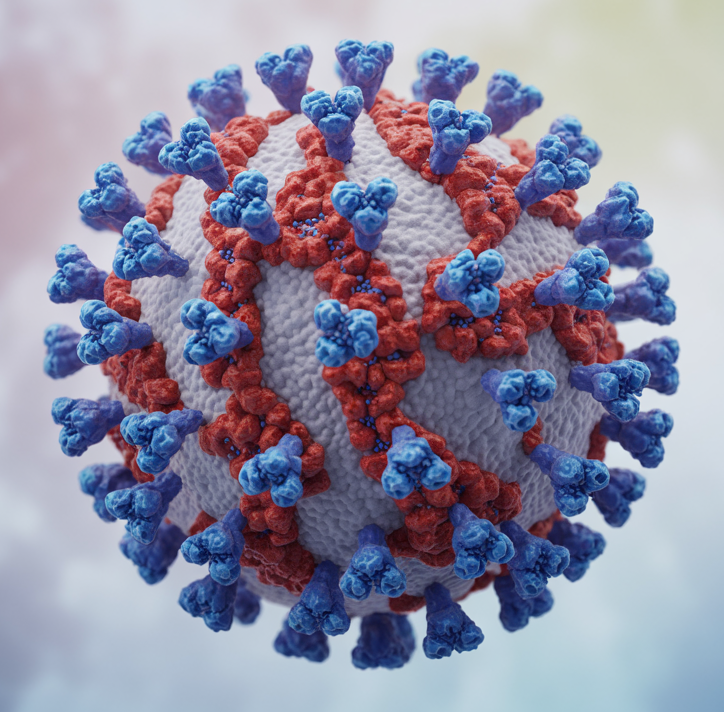
The influenza virus belongs to the Orthomyxoviridae family and is an RNA virus. RNA viruses are especially prone to genetic change, allowing them to alter their structure rapidly. This capacity for mutation enables influenza viruses to adapt quickly in order to survive.
Because of this ongoing mutation, new influenza strains emerge regularly. Each year’s antiviral strategies and vaccines are designed to target the flu strains most likely to circulate, based on current scientific modeling and surveillance.
There is a common belief that once you have had the flu, you are immune to all influenza strains. This is not true.
Having had the flu before does not provide universal immunity. However, it does not leave the immune system without benefit either. A prior infection can offer limited, short-term, and strain-specific protection, including a slightly faster immune response and modest cross-protection that may reduce the severity of illness rather than prevent infection entirely. Because influenza viruses mutate so frequently, this protection is incomplete and unreliable, particularly when new strains emerge. Prior flu exposure may help somewhat, but it does not significantly enhance overall immunity or replace the need for ongoing prevention and informed health choices.
Each year, new influenza strains emerge as the virus mutates into slightly altered versions of itself. These changes can allow the virus to partially evade existing immunity, including immunity from prior infection or vaccination. At the same time, the human immune system adapts as well, retaining memory of key viral components so it can respond more quickly or effectively during future exposures, even if that response does not fully prevent infection.
Allopathic Medication and Complementary Approaches
Know your Allies
We have choices when it comes to supporting our immune system and recovering from illness. Long before modern pharmaceuticals, what we now call “home remedies” were used to comfort, nourish, and support the body during disease.
Chicken soup is a familiar example and remains popular for good reason. Its benefit is not simply the broth itself, but the ingredients it contains. Garlic and onions, for instance, have long been valued for their immune-supportive properties. Combined with warm fluids and nourishment, these simple elements can help the body during times of stress and illness.
Allopathic medicine includes conventional treatments such as antiviral medications, vaccines, and clinical care, and plays a critical role in managing influenza, especially in severe cases or for those at higher risk. These interventions are designed to act directly on the illness and can be lifesaving when complications arise.
There are specific antiviral herbs that can combat the flu virus. Providing the interventions are used at the right time, and in the right combinations. Many herbs are powerful against the various flu strains, however, in combination they can be even greater.
Complementary approaches focus on supporting the body through nutrition, lifestyle practices, and other supportive therapies that may strengthen immune resilience and aid recovery. These strategies are often used alongside conventional care rather than in place of it.
These approaches are not opposites. Many people draw from both, depending on their health status, level of risk, and personal values. The most effective care is informed, flexible, and responsive to individual needs, emphasizing understanding options rather than choosing sides.
The question is not whether we must choose one approach over the other to fight the flu. The more useful question is whether we can thoughtfully use both allopathic medicine when intervention is needed, and complementary approaches such as herbs, spices, foods, supplements, and other supportive practices to help maintain health and resilience. Understanding how these tools can work together opens the door to a more informed, prevention-focused approach to well-being.
When combining allopathic medications with herbs, know both what you’re taking. Always check for contraindications, allergies, and potential side effects, as not all combinations are safe or effective.
Suggested Steps to Consider
I first discovered Susun Weed through her book New Menopause: The Wise Woman Way many years ago. At the time, I was a young crone navigating my transition into the last quarter of life, and this book helped me move through it with far less suffering than I might have otherwise.
From her work, I learned a step-style system that could be adapted beyond menopause—to illness, daily health, and life in general. Over time, I’ve integrated these steps into my own daily life, using them as a guide for supporting well-being and making informed choices about health.
A Six-Step Approach to Supporting Health
Zero – Do Nothing: Sometimes the best action is simply to rest and allow the body to respond naturally. Doing nothing can be a conscious and valid choice.
One – Gather Information: Learn about the illness, explore your options for healing, and research remedies, treatments, and preventive strategies. Knowledge is the foundation for informed decisions.
Two – Engage the Energy: Support the body’s natural healing forces. This can include practices like movement, breathing, meditation, or other techniques that stimulate vitality and balance.
Three – Nourish and Tonify: Provide the body with the nutrients, foods, herbs, and other restorative supports it needs to strengthen itself and build resilience.
Four – Stimulate or Sedate: Depending on the condition, apply techniques or therapies that either stimulate weak systems or calm overactive ones, helping restore balance.
Five – Targeted Interventions:
- A – Supplements: Use vitamins, minerals, or herbal preparations to address specific deficiencies or support health.
- B – Medications: When appropriate, use allopathic interventions to manage symptoms, fight infection, or support recovery.
Six – “Break and Enter”: When all else fails, surgical or invasive interventions may be necessary to correct or remove a problem that cannot be managed through other means.
With this six-step framework in mind, it becomes clear that much of our focus can, and often should, be on the earlier steps: engaging the body’s energy, nourishing and tonifying, and supporting it with safe, targeted supplements. These steps are about prevention, resilience, and everyday care, laying a strong foundation so that the body is better prepared to face the flu before more aggressive interventions are needed. Next, we’ll explore how herbs, foods, and other supportive practices can play a central role in maintaining health and strengthening immunity.
Nature’s Antiviral Remedies
We’re all familiar with conventional ways to fight influenza, from vaccines to antiviral medications. These choices are clear: see your doctor and follow their guidance. I won’t cover those here, but I do encourage you to understand side effects, interactions, and contraindications. Ask questions if a doctor prescribes or check with a pharmacist, they often know more than anyone about how medications interact. You can also research drugs yourself using reputable resources (see the list at the end of this article for medications, vaccines, herbs, and spices).
Mother Nature provides a rich array of remedies and nutritional support for almost any illness, including flu virus infections. The key is having accurate information and using these remedies wisely. Below is a selection of herbs with brief introductions for your consideration. These remedies are best used to enhance the immune system and prevent illness, rather than as a cure. Remember: a little goes a long way. Echinacea angustifolia: A well-known and recommended by many as a great immune enhancer. Steven Buhner in his book Antiviral Herbs (p39), shares that it “has been found effective against HIV, and the influenza strains H5N1, H7N7, and H1N1.” He goes on to say that it is only effective when it makes direct contact with the affected cells, prior to or at the exact moment of infection. This can be a bit tricky, how do you time it so it is effective? The direct action of Echinacea is its ability to interfere with the virus’ entry into the cells and strengthen the mucus membrane. You need to be aware of the first signs of infection in order to use this before the onset of the virus. The combination with Golden Seal can make a strong duo, but again, only if used at the first signs of infection.
Echinacea angustifolia
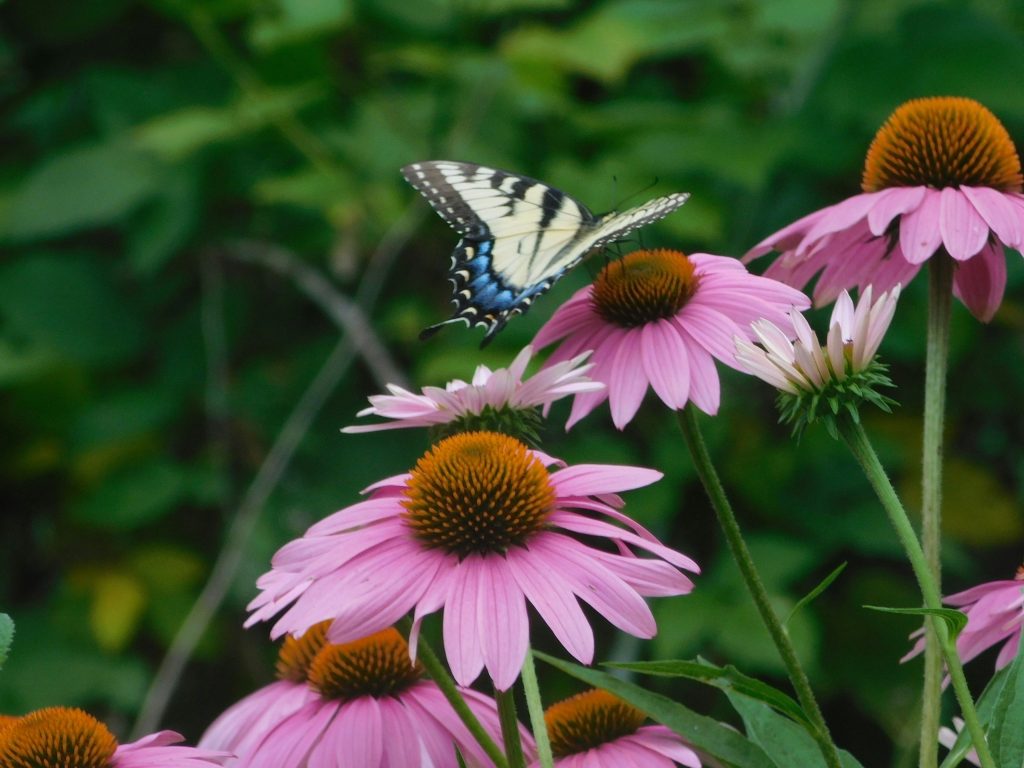
Echinacea is one of the most well-known immune enhancers. It can strengthen mucus membranes and interfere with viral entry into cells, making it most effective at the first signs of infection. According to Steven Buhner (Antiviral Herbs, p. 39), it has been found effective against several influenza strains, including H5N1, H7N7, and H1N1. Combining Echinacea with Golden Seal can enhance its effect, but timing is crucial.
Ginger (fresh, not powdered)
Fresh ginger is a potent antiviral ally. You can make a daily infusion by grating fresh ginger, steeping in hot (not boiling) water, letting it sit overnight, straining, and freezing in ice cube portions. Use one cube per 8 oz water or juice.
Suggested drink: 1–2 oz of ginger infusion, ¼ lime (lightly squeezed), 1 tsp honey, and 1/8 tsp cayenne in 8–10 oz hot water. Stir and enjoy 2–6 cups daily. This supports the body during the first signs of illness and daily immune maintenance.
Other Herbs to Consider
- Chinese Skullcap (Scutellaria baicalensis): Supports the immune system and has antiviral and anti-inflammatory properties.
- Isatis (Isatis tinctoria): Traditional antiviral herb used in Chinese medicine.
- Licorice Root (Glycyrrhiza uralensis): Supports immunity and acts against viruses. Use whole root, not deglycyrrhizinated; caution: has shown to raise blood pressure.
- Houttuynia: Offers antiviral, anti-inflammatory, and mucoprotective benefits.
- Lomatium: Traditionally used to support the immune system during early viral infection.
Combining these herbs can create a powerful, preventive antiviral approach. Each has a unique role—anti-inflammatory, expectorant, mucoprotective, or immune-supportive. Use responsibly: know your herb, research interactions with medications, and never assume more is better.
Summary: These natural remedies are most effective for prevention and early support, helping your immune system stay resilient. They are not substitutes for professional care, but when used wisely, they can complement conventional approaches and empower you to take an active role in your health.
In Closing
Influenza is a constantly evolving virus, and our relationship with it reflects a fundamental truth: survival depends on adaptability. Humans and viruses are engaged in an ongoing dance of mutation, defense, and response. While prior flu exposure can offer limited, strain-specific protection, it does not provide universal immunity. Vaccines, medications, and allopathic interventions remain important, particularly for those at higher risk, but prevention and overall resilience are just as vital.
We have choices. Conventional medicine offers powerful tools to fight illness, while complementary approaches—such as herbs, nutrition, and lifestyle practices—can support the immune system and strengthen our defenses before illness strikes. These approaches are not mutually exclusive; they work best when used thoughtfully together.
A stepwise approach, like the six-step framework adapted from Susun Weed, helps guide decisions—from doing nothing and gathering information, to engaging the body’s energy, nourishing and tonifying, using targeted supplements or medications, and, if necessary, surgical interventions. Focusing on the earlier steps—prevention, nourishment, and supportive care—builds resilience and prepares the body to respond effectively to viral challenges.
Nature offers a wealth of antiviral and immune-supportive remedies. Herbs like Echinacea, ginger, Chinese Skullcap, Isatis, Licorice Root, Houttuynia, and Lomatium can enhance prevention and early support, but they must be used responsibly and in combination with informed health decisions.
Ultimately, survival of the fittest is not about avoiding illness entirely—it is about making informed choices, supporting the body, and cultivating resilience. By combining knowledge, natural remedies, and modern medicine thoughtfully, we can take an active role in maintaining our health and responding wisely when the flu or other illnesses appear.
Suggested Further Reading
Note: My favorite book store is Alibris, my links are affiliated, I earn a small amount from each purchase, enough to support my book habit.
Herbal Antivirals: Natural Remedies for Emerging & Resistant Viral Infections
Stephen Harrod Buhner
A foundational, research-based exploration of plant medicines used against viral infections. Buhner examines both traditional use and modern research, offering insight into how herbs interact with viral mechanisms and the immune system. Widely regarded as a core reference for understanding herbal antiviral strategies.
Note: the link is to my fav book store where I am an affiliate.
New Menopausal Years the Wise Woman Way
Susun Weed
Introduces the six-step healing framework referenced in this article. While centered on menopause, the model applies broadly to illness, prevention, and life transitions. Emphasizes body literacy, informed choice, and a continuum of care rather than either/or thinking.
Visit the website version: Menopause Metamorphosis
Promising Antiviral Herbal and Medicinal Plants
Edited by Nadeem Akhtar, Azamal Husen, et al.
A research-oriented collection examining antiviral activity in medicinal plants. Focuses on phytochemistry, mechanisms of action, and emerging evidence. Best suited for readers interested in scientific studies and current research trends.
Natural Antibiotics and Antivirals
Christopher Vasey, N.D.
An accessible yet informative guide to herbs and essential oils with antimicrobial and antiviral properties. Covers traditional uses, practical applications, and safety considerations, making it useful for both practitioners and informed lay readers.
Traditional Herbal Therapy for the Human Immune System
Azamal Husen
Provides an overview of traditional herbal approaches to immune support, supported by modern research. This text bridges ethnobotanical knowledge with contemporary scientific inquiry into immune modulation.
The Science of Herbal Antivirals
Alex Thorn
Explores how plant-based compounds interact with viral replication and immune response. Focuses on emerging trends and mechanisms rather than protocols, making it a complementary scientific resource to more practical herbal texts.
Herbal Antibiotics and Antivirals
Christine Weil
A practical introduction to commonly used antimicrobial and antiviral herbs. While less technical, it offers helpful context for readers beginning to explore plant-based immune support.
If you wish to read beyond this article, visit my book shelf